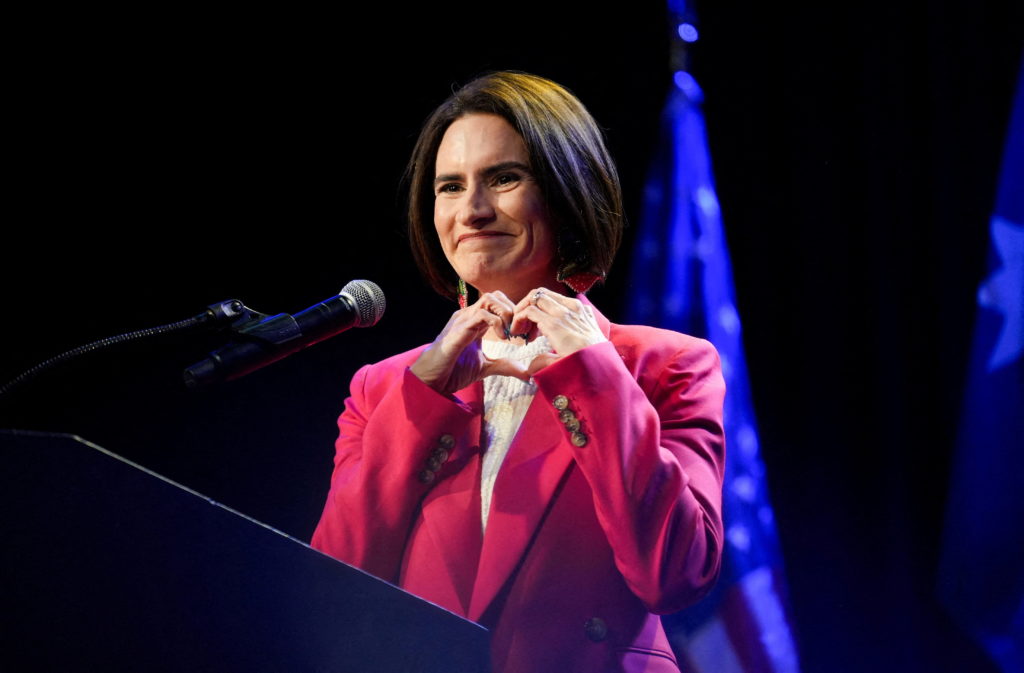
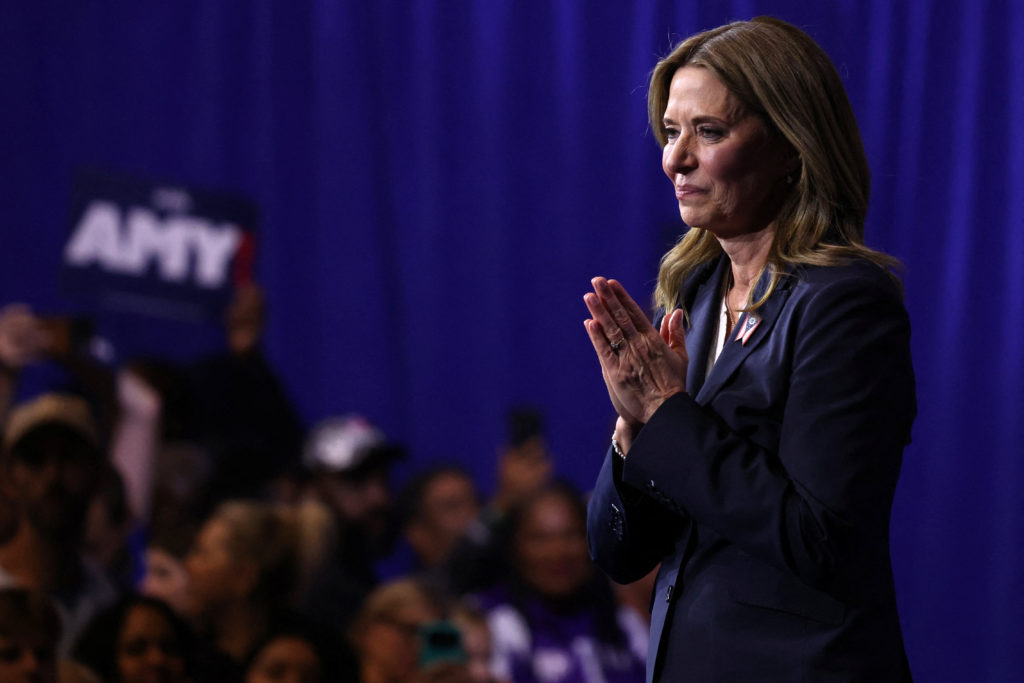
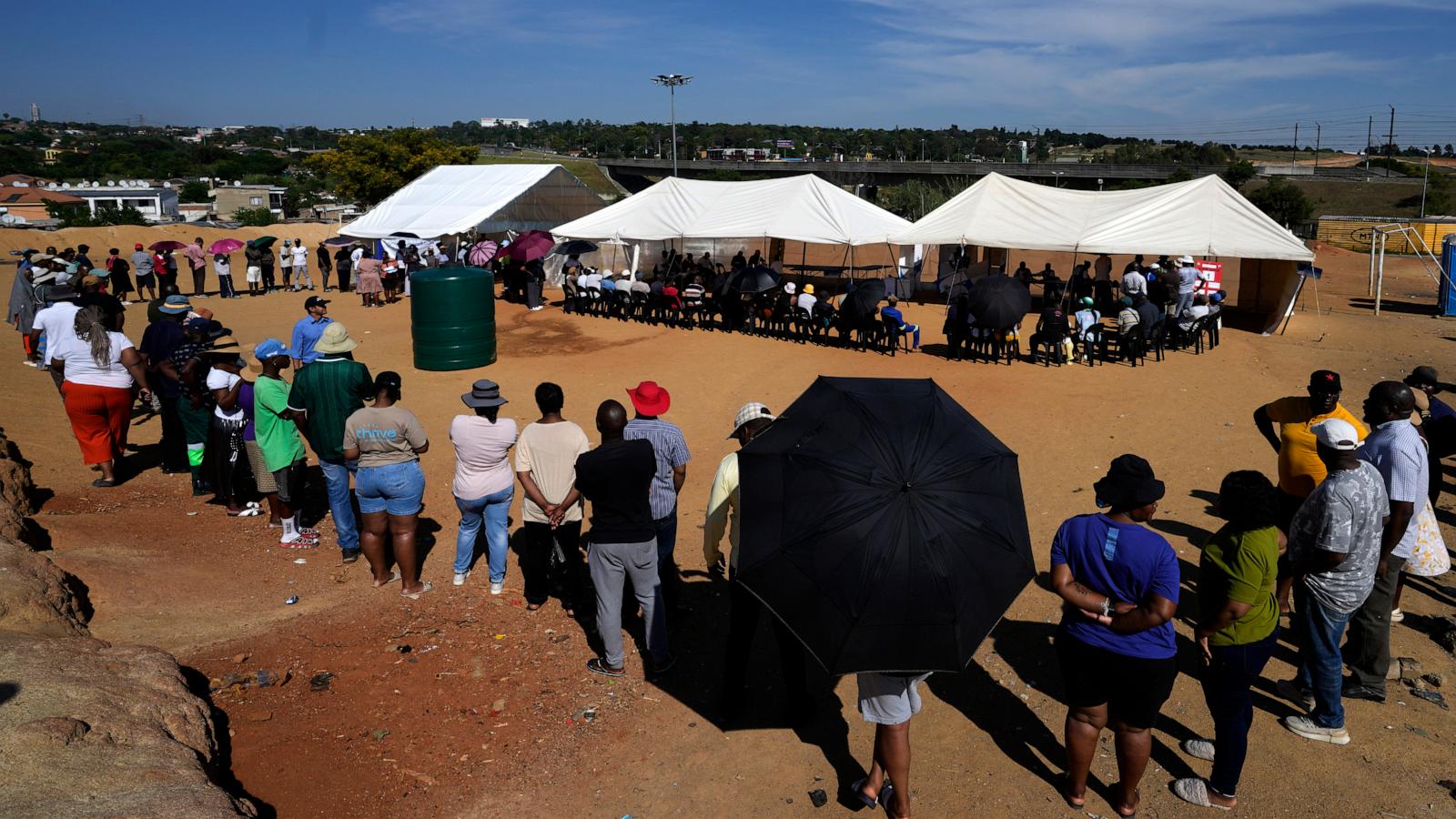
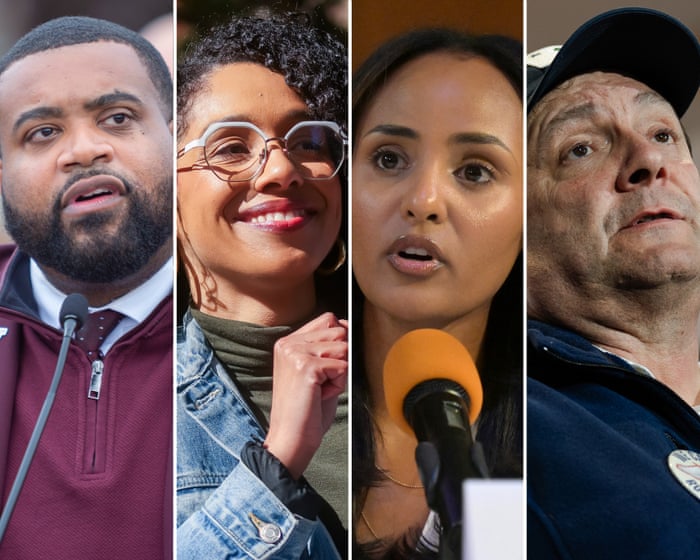
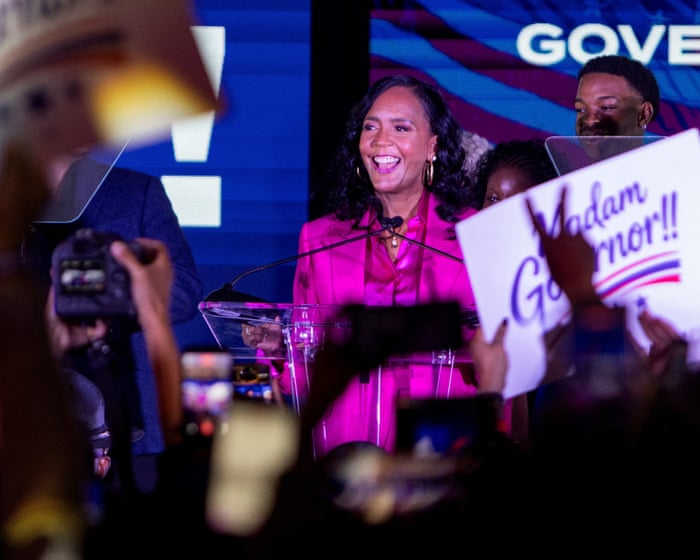
Elections in Brazil, Israel, and Alaska are causing political tension, with some leaders refusing to accept results or challenging the voting process.
Why it matters to you3
In Brazil, the refusal to accept election results caused the stock market and currency to drop, which can hurt the economy and people's savings. source
In Israel, the election deadlock means the country lacks stable leadership, which could affect national security and military decisions. source
In Alaska, a lawsuit over candidate names could change the outcome of a Senate race that decides which party controls the U.S. Senate. source
Different sides3
Gadi Eisenkot (Israel)
Claims voters want change and that Netanyahu should resign because he no longer has a mandate to lead.
Brazil holds a presidential runoff election between Lula and Flavio Bolsonaro. source
Serbia's longtime leader Aleksandar Vucic loses an election to a student-led movement. source
Israel's election results show a deadlock between Prime Minister Netanyahu and challenger Gadi Eisenkot. source
Flavio Bolsonaro flees to the U.S. and claims to be Brazil's rightful leader. source
The U.S. Department of Justice escalates a lawsuit regarding the Alaska Senate race. source
What to watch next3
Post-debate polls show Lula leading by 5+ points
Meta restricts Bolsonaro campaign ads for misinformation
Court rejects Lula's petition to disqualify Bolsonaro
What we don't know yet3
How will Israel resolve its election deadlock to form a stable government?
Will the U.S. court dismiss the lawsuit regarding the Alaska Senate election before voting ends?
What will be the long-term impact of Flavio Bolsonaro's claims from exile on Brazil's political stability?
Written by AI from 10 news stories. Every point links to the story it came from. Updated Nov 1 ago.
Analysis
Recent elections in Brazil, Israel, and Serbia have resulted in significant political shifts, including a presidential victory for Lula in Brazil and a deadlocked parliamentary outcome in Israel. These developments impact governance and stability in their respective regions, with ongoing concerns regarding election integrity and the peaceful transfer of power. Observers are now watching for the resolution of government formation in Israel and the legal and political fallout surrounding the post-election situation in Brazil.
Should there be age limits for top elected offices?
How the odds moved
Who will win the 2026 Brazilian presidential runoff election scheduled for late October 2026?
Luiz Inácio Lula da Silva 44%Flávio Bolsonaro 43%Other or contested 13%
No moves yet. The odds change only when one of the events below is confirmed by at least two outlets or an official source.
What would move the odds
These are possible future events Zoose is watching for, not news. None has happened unless it is marked Confirmed.
Possible · not happened35% chance
Post-debate polls show Lula leading by 5+ pointsIf it happens:↑ Luiz Inácio Lula da Silva↓ Flávio Bolsonaro
Will it happen by Nov 15?
Possible · not happened25% chance
Meta restricts Bolsonaro campaign ads for misinformationIf it happens:↑ Luiz Inácio Lula da Silva↓ Flávio Bolsonaro
Will it happen by Nov 15?
Possible · not happened70% chance
Court rejects Lula's petition to disqualify BolsonaroIf it happens:↓ Other or contested
Will it happen by Nov 15?
Started at 44% / 43% / 13% on Oct 21. Each event can fire once.
Make your forecast
Scenarios to Nov 15, 2026
Who will win the 2026 Brazilian presidential runoff election scheduled for late October 2026?
Luiz Inácio Lula da Silva
44%
Flávio Bolsonaro
43%
Other or contested
13%
Odds move when a signpost is confirmed by the news.
Discussion
Ask @zoose anything about Elections
zoose●
New forecast: Who will win the 2026 Brazilian presidential runoff election scheduled for late October 2026? Starting odds: Luiz Inácio Lula da Silva 44%, Flávio Bolsonaro 43%, Other or contested 13%.
 Elections