New to Zoose? Here's how it works
- We follow big real-world issues, like wars, prices, climate and health, and only show news that changes them.
- Tap a topic to see The full picture: a plain-English summary where every point links to the story it came from.
- The odds show what could happen next. Make your own call, and follow topics to hear when things change.
Interest rates and central banks

Bank of Japan is expected to hold rates this week — but stay hawkish: CNBC survey
All survey respondents said they expect the BOJ to set the stage for a rate hike in December or January, as inflation and wages continue to rise.
-
CCNBC · 4d
10-year Treasury yield tumbles below 5% to lowest level in nearly a month

-
CCNBC · 4d
Japan core inflation in September surges to its highest this year at 2.1%

-
CCNBC · 5d
Bank of Korea holds rates after President Lee calls for boosting housing supply

-
CCNBC · 13h
Federal Reserve is likely to hold interest rates steady in October. Here's what that means for consumers

Analysis
6 developments from 6 outlets in the past week. Recent evidence leans mixed.
1 story says mixed, 1 story says getting worse
Reported by several outletsForecast
By how much will the Federal Reserve's federal funds target range change between October 18, 2026 and January 31, 2027?Poll
What should the central bank do at its next meeting?
Forecast poll
Will the Federal Open Market Committee lower the federal funds target range at its next meeting by October 31, 2025?
Reader odds appear once enough people forecast · resolves automatically from reported evidence.
Elections and democracy
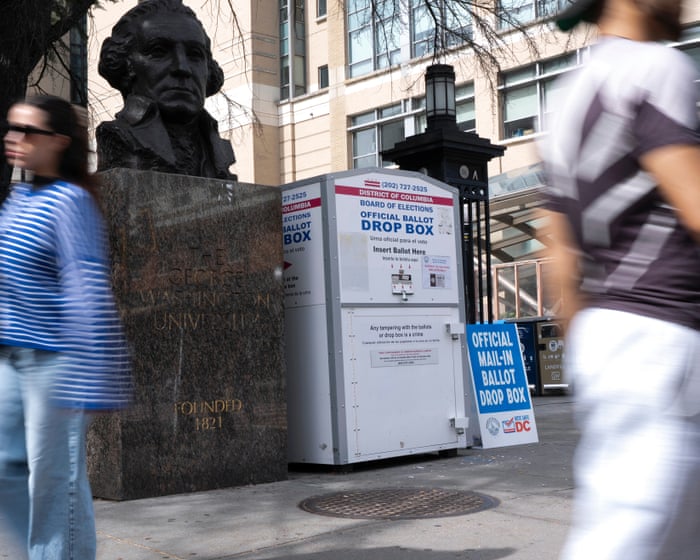
Trump administration asks Washington to set aside hundreds of ballots from suspected noncitizen voters
This is the latest sign of the administration’s attempts to challenge states with competitive midterm races that could determine control of CongressThe Trump administration on Monday asked Washington state to set aside any ballots received from more than 400 people it alleges are registered to vote without US citizensh
-
PPBS · 7h
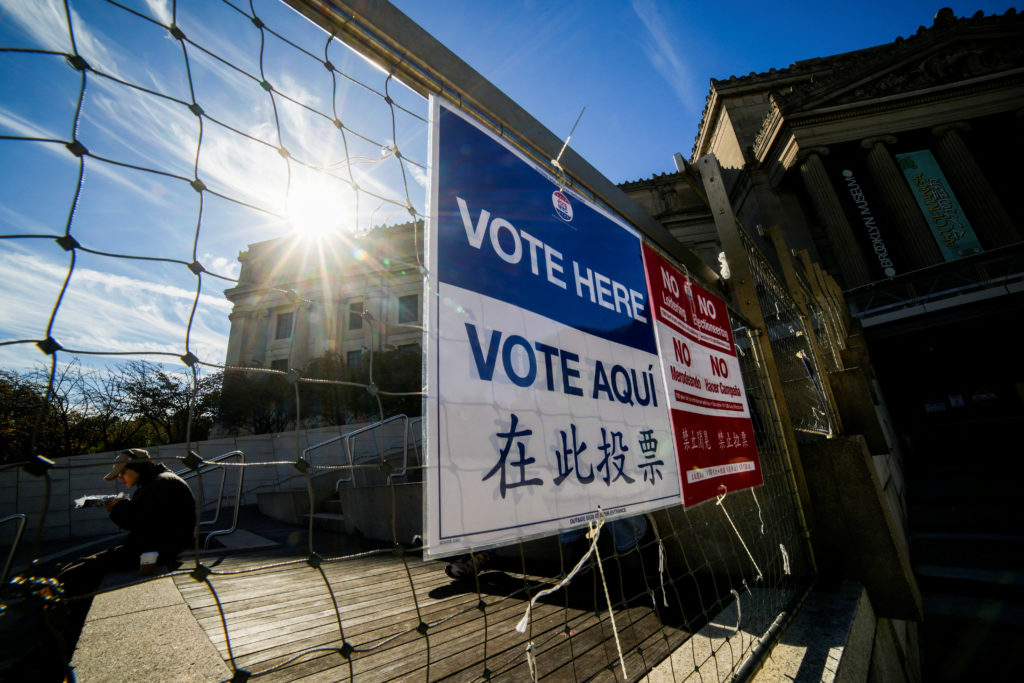
Candidates enter final week of campaigning with control of Congress at stake
-
PPBS · 7h
Netanyahu faces Israeli voters in first election since Oct. 7 and Gaza war

-
TThe Guardian · 7h
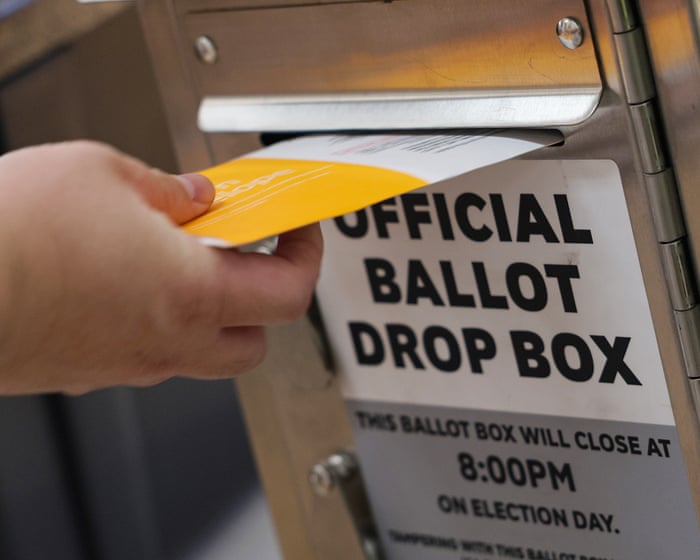
Court blocks bid by Trump DoJ to stop California from counting mail-in ballots
-
TThe Guardian · 7h
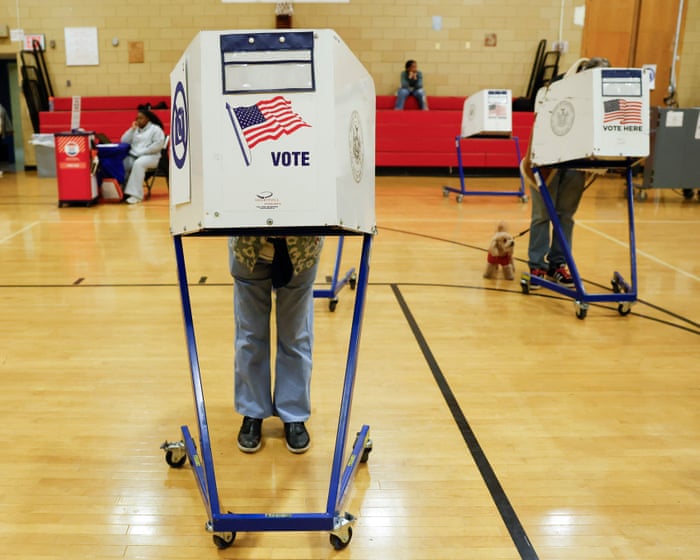
Trump dangles $1m reward for reporting voter fraud in past or upcoming elections
Analysis
Recent election results in Brazil and Serbia have shifted political leadership, while US midterm campaigns are intensifying amid debates over election integrity and campaign finance. These developments impact governance and policy direction globally, affecting everything from international relations to local voting procedures. Observers are now monitoring how incoming administrations manage political polarization and how ongoing legal and electoral challenges in the US and abroad influence future democratic processes.
4 stories say getting worse, 2 stories say getting better, 1 story says mixed
Reported by several outletsForecast
Who will win the 2026 Brazilian presidential runoff election scheduled for late October 2026?Poll
Should social media platforms remove false claims about voting?
Poll
What would most improve trust in elections?
Inflation and cost of living

FTC and 20 states sue Dollar General, alleging retailer overcharged shoppers
The Federal Trade Commission and 20 states have filed a lawsuit against Dollar General, claiming the retailer has charged customers more than advertised prices.
-
CCNBC · 13h
Mortgage rates above 7% are the 'new normal'—here's why

-
TThe Guardian · 19h
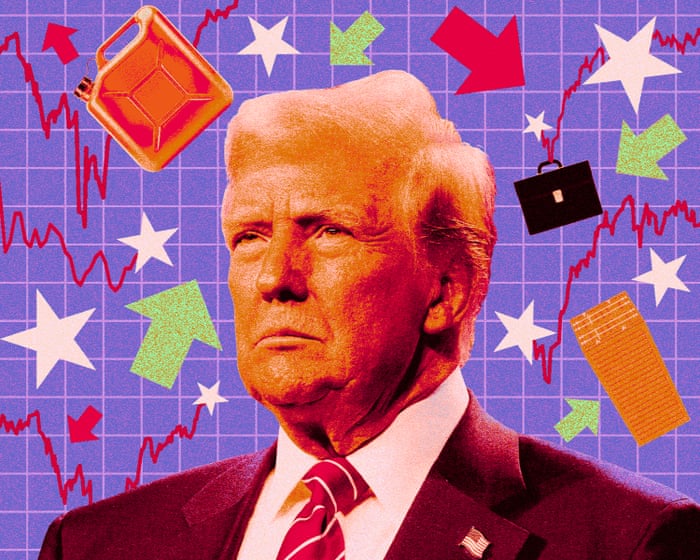
‘We don’t have inflation’? Five charts show the US economic reality of Trump’s second term so far
-
TThe Guardian · 19h
If Democrats win big, will they learn the right lessons from their victory? | Jan-Werner Mueller

-
CCNBC · 1d
Here are 4 big things we're watching in the stock market this week

Analysis
12 developments from 12 outlets in the past week. Recent evidence leans getting worse.
2 stories say getting worse
Reported by several outletsForecast
What will the US year-over-year CPI inflation rate for December 2026 be, as first published by the Bureau of Labor Statistics by January 31, 2027?Poll
What should be the main tool to bring prices down?
Poll
Which rising cost hits your budget hardest right now?

SoftBank reportedly plans $50 billion tech investment in aspiring 'AI nation' Malaysia
SoftBank Group reportedly plans to invest $50 billion in Malaysia's technology sector, including artificial intelligence and data centers.
-
CCNBC · 7h
From Wall Street to Silicon Valley, Anthropic IPO poised to have massive 'trickle-down effect'

-
PPBS · 3d
Treasury proposes rule to curb high-tech investments in China and other adversaries

-
TThe Guardian · 4d
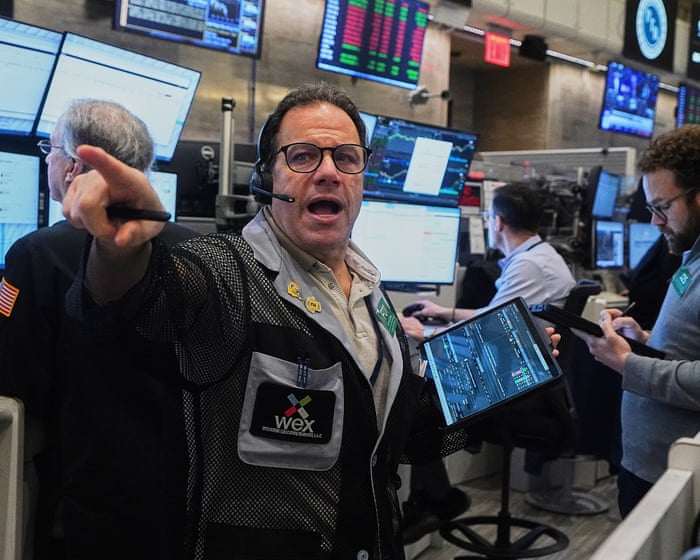
Sharp drops for AI stocks overwhelm markets worldwide as oil prices jump
-
CCNBC · 4d
OpenAI nears up to $30 billion funding round at $1.25 trillion valuation led by UAE investors

Analysis
Recent developments highlight a growing tension between AI's rapid expansion and its real-world consequences, ranging from market volatility and cybersecurity vulnerabilities to legal challenges regarding safety and misinformation. These events impact ordinary people through potential disruptions to digital infrastructure, the spread of AI-generated falsehoods, and local concerns over the environmental and economic costs of data centers. Moving forward, observers are watching how international regulatory efforts, such as U.S. investment restrictions and EU policy initiatives, will balance national security and safety with the industry's continued push for global investment.
2 stories say getting better, 1 story says getting worse
Reported by several outletsForecast
Will the United States or the European Union implement new restrictions on the export or use of Chinese-developed AI models by March 31, 2027?Poll
How should governments regulate advanced AI?
Forecast poll
Will the EU pass new legislation specifically regulating the use of copyrighted books for AI training by December 31, 2024?
Reader odds appear once enough people forecast · resolves automatically from reported evidence.
Trade and tariffs

China and Russia are redrawing Arctic trade. Can Europe fight back?
China and Russia are tightening their grip on Arctic shipping routes, turning the rapidly warming region into a new geopolitical battleground with Europe.
-
PPBS · 3d
Seeking to help Collins in Maine, Trump exempts some Canadian imports from his 50% tariffs

-
CCNBC · 1d
Audi defends plans for a $4 billion Georgia plant amid VW restructuring, tariffs

-
CCNBC · 6d
Japan exports post huge miss in September as growth slows to 16.7%

-
NNew York Times · 2d
Audi to Build Factory in Georgia, Trump Says

Analysis
The Trump administration is adjusting its 50% tariffs on Canadian goods by exempting some products while replacing others, prompting a new legal challenge and criticism from Canadian officials regarding increased costs for families. These trade tensions are impacting various sectors, with companies like Audi announcing new U.S. manufacturing plants to mitigate tariff exposure and steel producers in other regions reporting collateral damage. Observers are now watching for the outcome of the lawsuit against the administration's use of the Tariff Act and how ongoing diplomatic talks with nations like India and the EU will shape future trade agreements.
2 stories say getting worse, 1 story says getting better
Reported by several outlets